 Andalusia
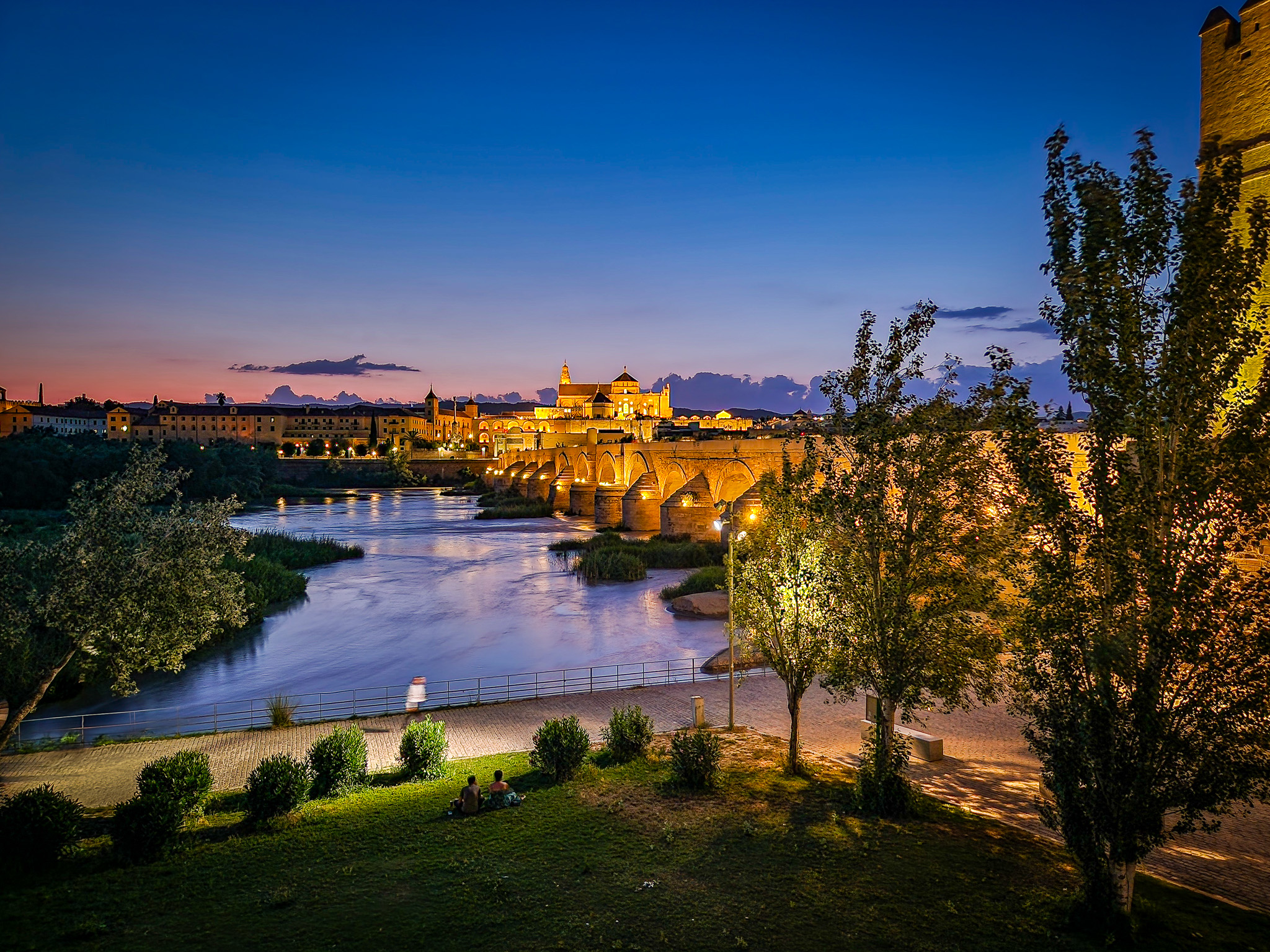
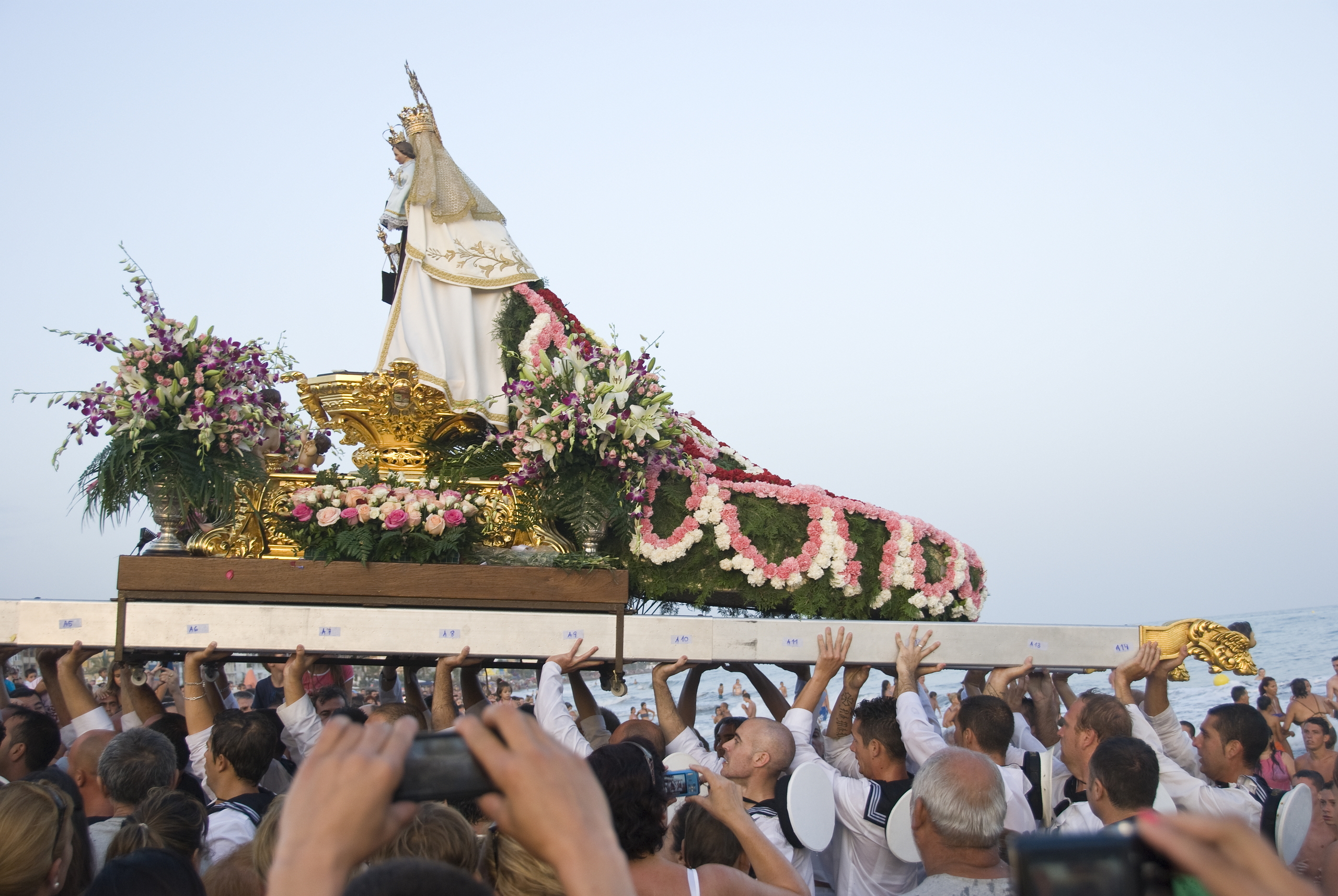
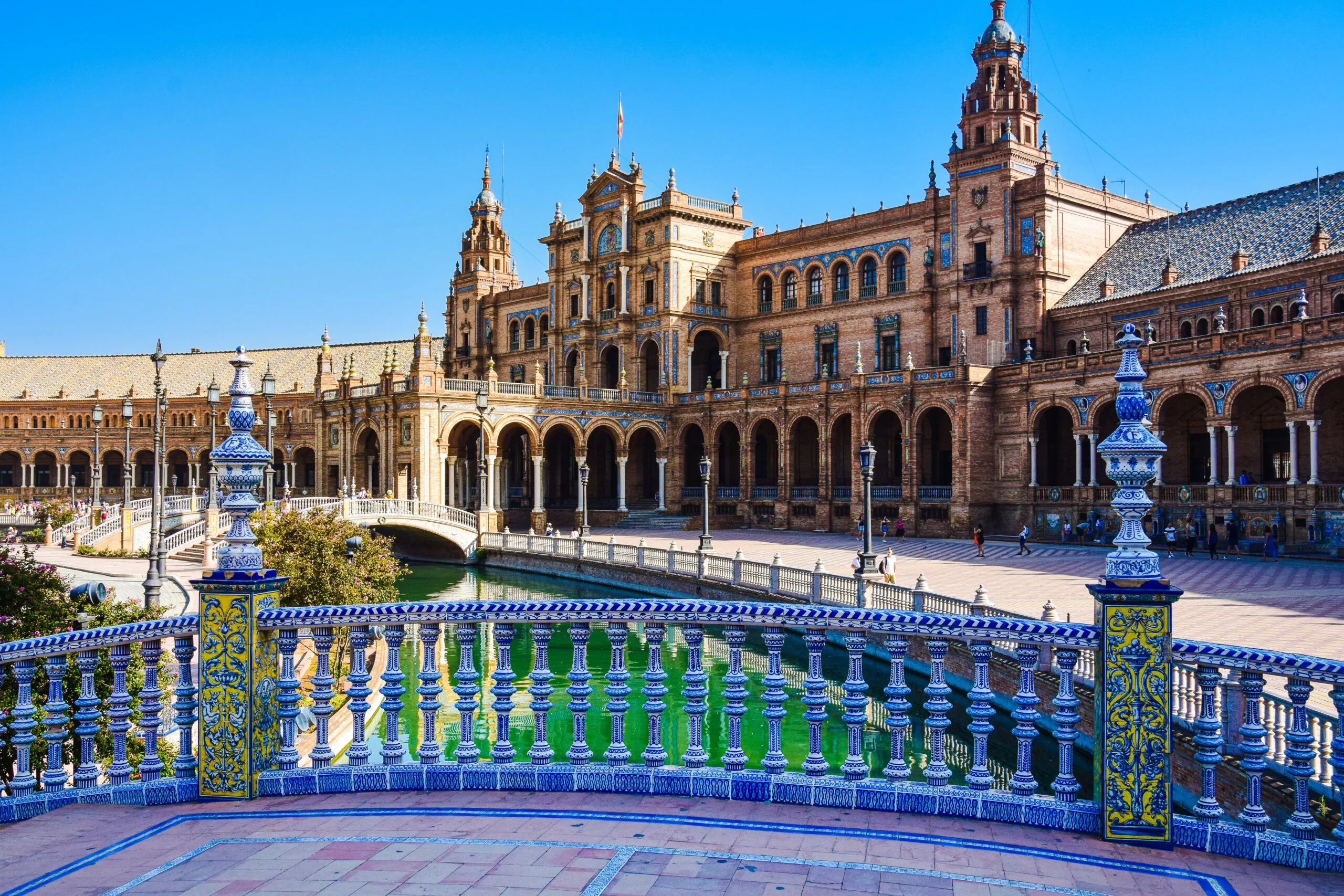
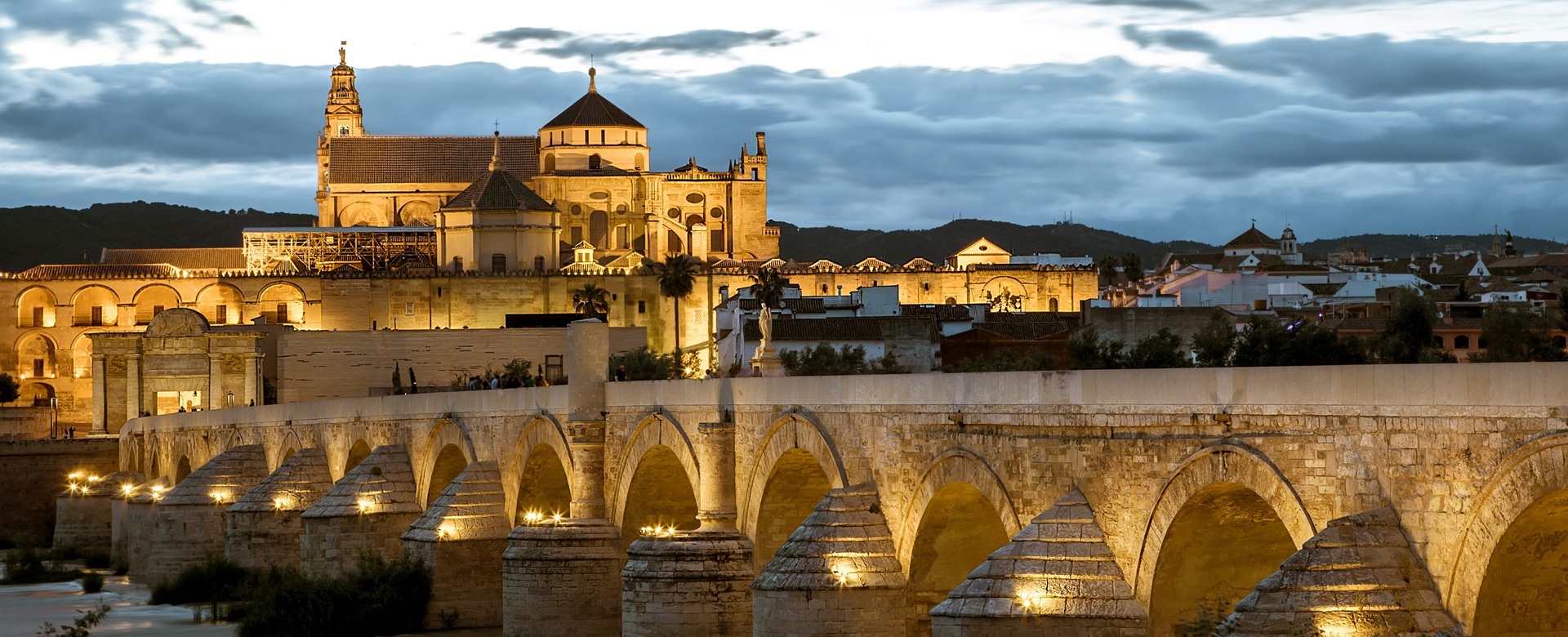
Planning a trip to Andalusia? Here you'll find answers to the most common questions about travel documents, climate guide, transport and travel tips, accommodation, costs, attractions, beaches, culture, and practical travel information for visiting southern Spain. Browse the complete Andalusia guide and regional overview for deeper context.
What documents do I need to travel to Andalusia?
For citizens of European Union countries, a valid national identity card or passport is sufficient for tourist stays of up to 90 days with no visa required — see the complete Andalusia guide for entry details.
What currency is used in Andalusia?
The official currency is the Euro (€). Credit cards and debit cards are widely accepted in hotels, restaurants, shops, and tourist attractions across the Andalusia map.
When is the best time to visit Andalusia?
Spring and autumn are generally considered the best seasons to visit thanks to pleasant temperatures, fewer crowds, and ideal conditions for sightseeing and outdoor activities. The when to visit Andalusia hub compares seasons month by month.
What is the weather like in Andalusia throughout the year?
Andalusia enjoys a predominantly Mediterranean climate with hot, dry summers and mild winters, while mountainous regions such as the Sierra Nevada experience colder temperatures and seasonal snowfall — see the climate guide for regional detail.
How can I travel between the Andalusian provinces?
The eight provinces are connected by highways, high-speed trains, regional trains, and long-distance buses, and renting a car is often best for rural areas — see transport and travel tips for routes and tickets.
What are the main airports in Andalusia?
The region's main international airports are located in Seville, Málaga, Granada, and Almería, offering connections to major European and domestic destinations. Check transport and travel tips for airport transfers and onward travel.
Is Andalusia safe for tourists?
Yes — Andalusia is considered one of Spain's safest regions for visitors, though basic precautions apply in crowded areas and major cities such as Seville and Málaga.
Are there any specific health risks in Andalusia?
No special vaccinations are required. Healthcare standards are high, and European visitors can access public healthcare services using a valid European Health Insurance Card (EHIC).
Are Andalusia's beaches suitable for families?
Yes — many beaches along the Costa del Sol and Costa de la Luz offer family-friendly facilities, calm waters, and lifeguard services; the best beaches and coastal destinations cluster highlights top coastal picks.
What traditional foods should I try in Andalusia?
Some of the region's most famous dishes include tapas, gazpacho, salmorejo, jamón ibérico, fried fish, seafood specialties, and local olive oils. Explore the traditional food and local gastronomy hub and provincial food sections for route ideas.
What language is spoken in Andalusia?
Spanish is the official language. English is widely spoken in tourist areas, and some businesses in popular destinations such as Málaga and Seville also accommodate Italian, French, and German visitors.
What is the average travel budget for Andalusia?
Costs vary by travel style and season — budget travelers often manage on €50–70 per day, while mid-range and luxury trips cost more; use the when to visit Andalusia and complete Andalusia guide pages to plan by season.
Is Andalusia suitable for families with children?
Absolutely. Andalusia offers beaches, aquariums, natural parks, theme parks, wildlife reserves, and numerous family-friendly attractions listed in the things to do in Andalusia hub and provincial nature sections.
What are the eight provinces of Andalusia?
The eight provinces are Almería, Cádiz, Córdoba, Granada, Huelva, Jaén, Málaga, and Seville. Each province offers unique landscapes, attractions, and cultural experiences.
Can you ski in Andalusia?
Yes. The Sierra Nevada is home to the southernmost ski resort in Europe and typically offers skiing and snowboarding opportunities from late autumn through spring, close to Granada.
What is the Costa del Sol known for?
The Costa del Sol is famous for its sunny climate, golden beaches, golf courses, vibrant nightlife, luxury resorts, and picturesque coastal towns centred on Málaga.
What makes the Costa de la Luz unique?
The Costa de la Luz is known for its wide sandy beaches, Atlantic coastline, excellent wind conditions for water sports, and authentic Andalusian atmosphere stretching through Cádiz and Huelva.
What are the Pueblos Blancos?
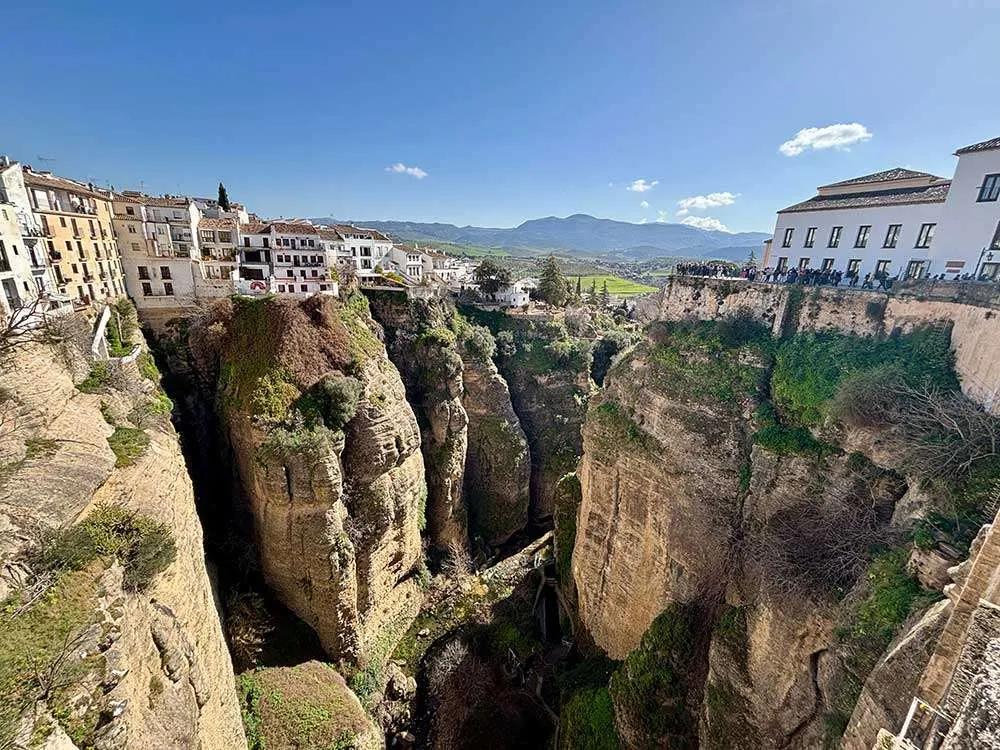
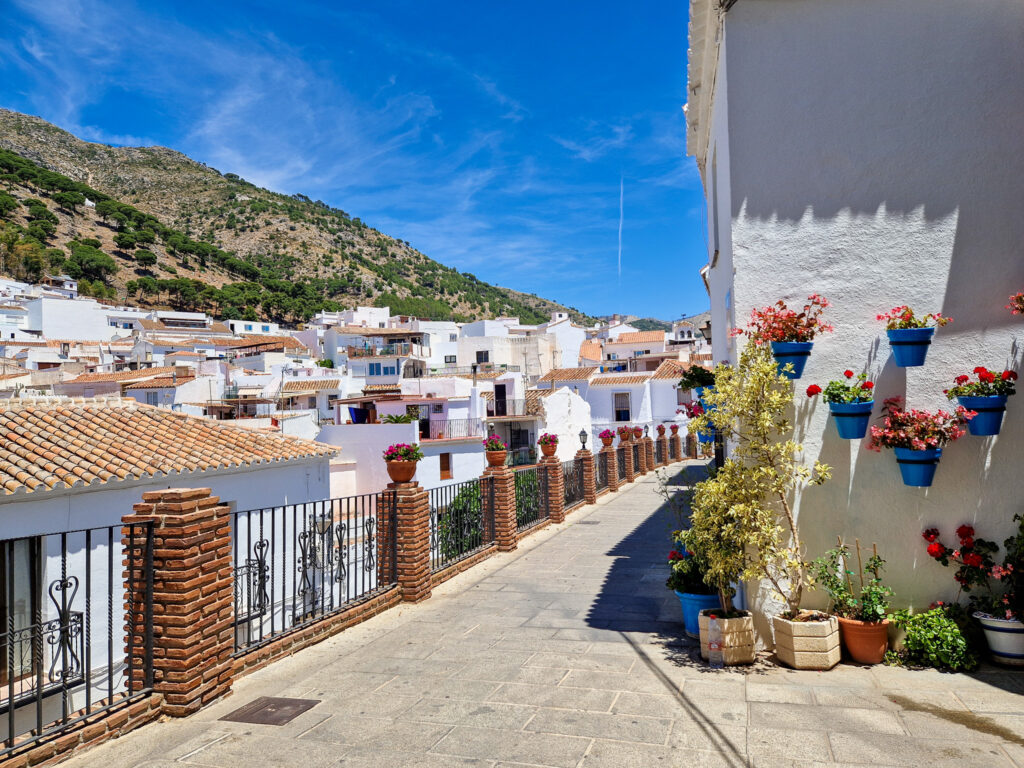
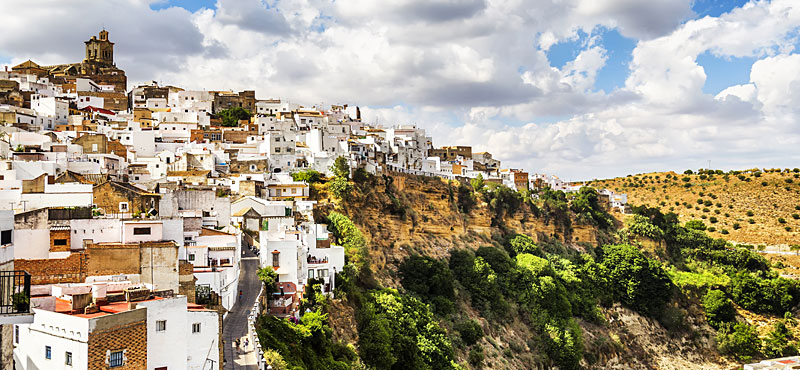
The Pueblos Blancos are traditional whitewashed villages scattered throughout Andalusia's countryside. They are known for their charming architecture, mountain views, and rich cultural heritage.
Which festivals should I not miss in Andalusia?
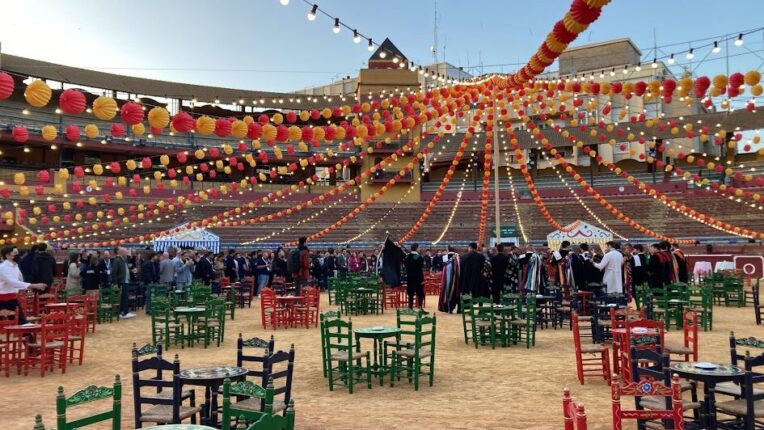
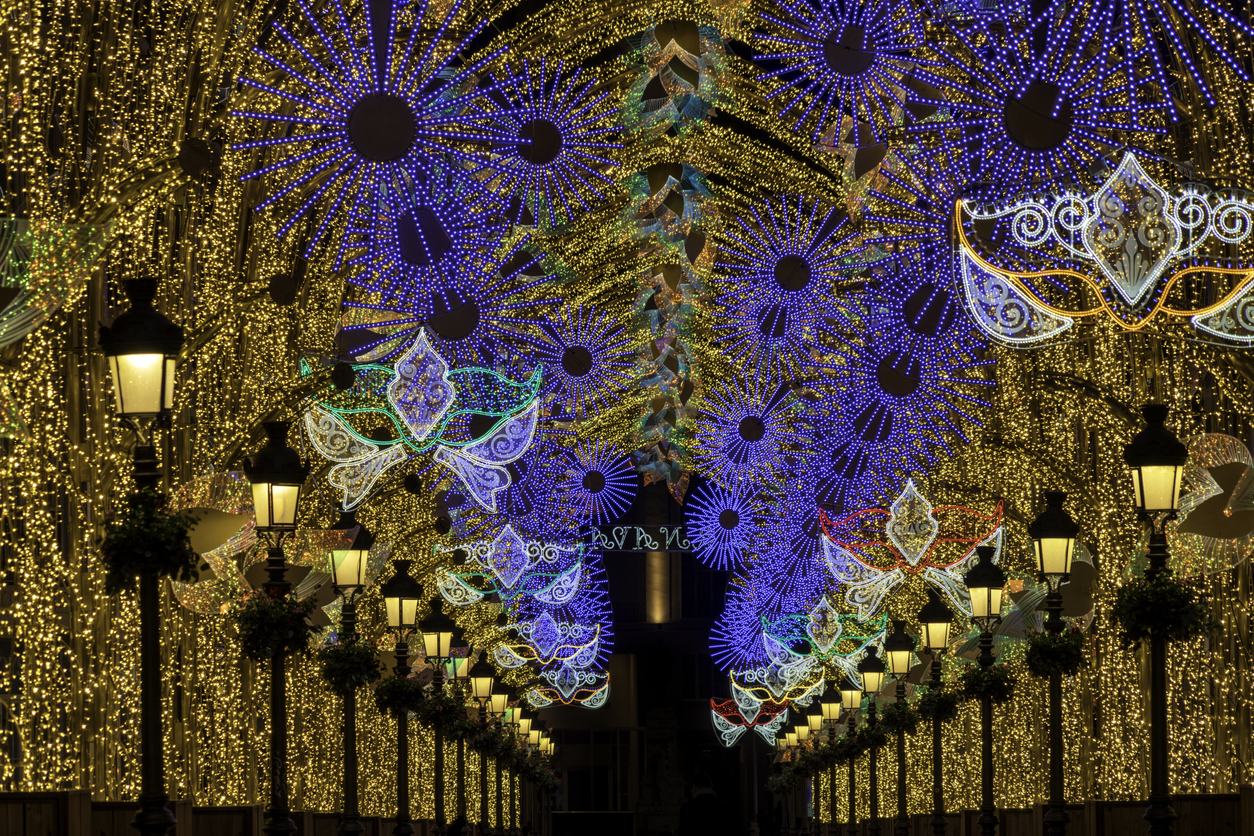
Some of the most famous celebrations include Semana Santa (Holy Week), Feria de Abril in Seville, the Carnival of Cádiz, and numerous flamenco festivals held throughout the region. Track dates in the festivals and cultural celebrations hub and events calendar.
What types of accommodation are available in Andalusia?
Visitors can choose from luxury hotels, boutique properties, apartments, beach resorts, rural guesthouses, agritourism accommodations, and traditional country estates known as cortijos. The complete Andalusia guide outlines options by area and season.
Is Andalusia suitable for solo travelers?
Yes. Andalusia is welcoming, easy to navigate, and offers excellent infrastructure for solo travelers, whether exploring cities from the city index index, beaches, or rural areas linked in things to do in Andalusia.
Are there toll roads in Andalusia?
Most highways are free, though certain sections such as parts of the AP-7 near Málaga may charge tolls — see transport and travel tips for motorway maps and costs.
Is parking difficult in Andalusian cities?
Parking can be challenging in historic city centres in Seville, Granada, and Córdoba. Public parking facilities and park-and-ride options are often the most convenient solution — details in transport and travel tips.
Which cities should I visit in Andalusia?
The most popular cities include Seville, Granada, Córdoba, and Málaga, each offering exceptional architecture, history, gastronomy, and cultural attractions. Compare them in the city index index.
How can I plan an itinerary through Andalusia?
Travelers can choose from city-focused itineraries, coastal routes, road trips through the Pueblos Blancos, cultural tours, or nature-based adventures depending on their interests and available time. Start with the Andalusia road trips and itineraries hub.
Are there protected natural areas in Andalusia?
Yes — Andalusia is home to protected areas including Doñana National Park, Sierra Nevada National Park, and Cabo de Gata-Níjar Natural Park.
Is Andalusia a good destination for hiking?
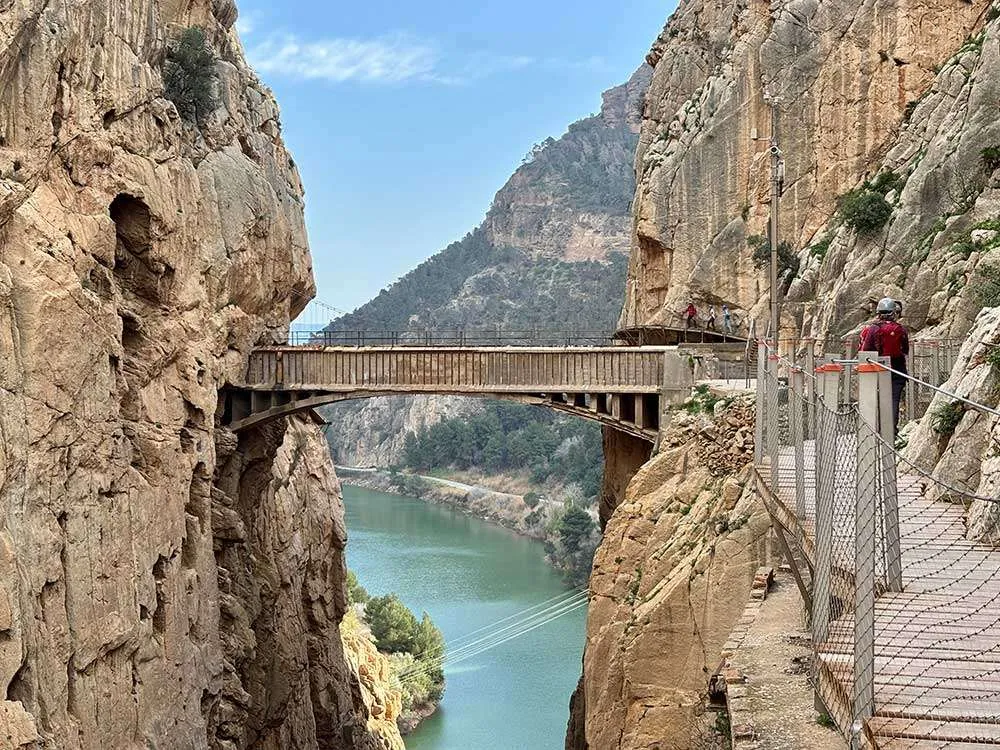
Absolutely. The region offers spectacular hiking opportunities across mountains, coastal paths, natural parks, and traditional villages — especially in the Sierra Nevada and routes featured in things to do in Andalusia.
Can I visit the Pueblos Blancos using public transport?
Some villages are accessible by bus, but renting a car is usually the best option for exploring multiple destinations efficiently. Combine the Pueblos Blancos guide with transport and travel tips for route planning.
How does healthcare work for Italian and European tourists?
European visitors can access Spain's public healthcare system using a valid European Health Insurance Card under the same conditions as Spanish residents. Carry your card and check the regional overview for practical health tips.
Which areas of Andalusia are more affordable?
Inland provinces such as Jaén and Huelva are generally more affordable than major tourist centres and coastal destinations on the Costa del Sol.
What are the main cultural attractions in Andalusia?
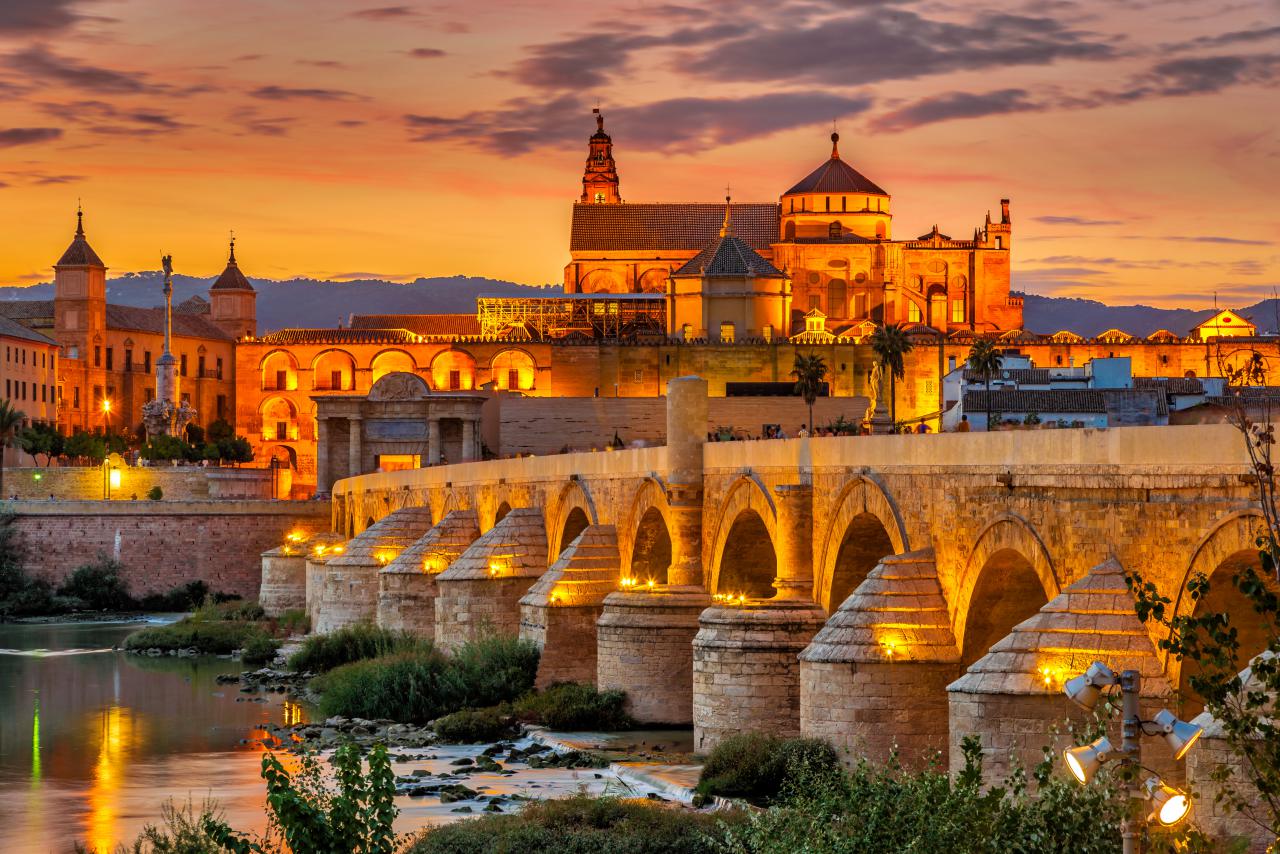
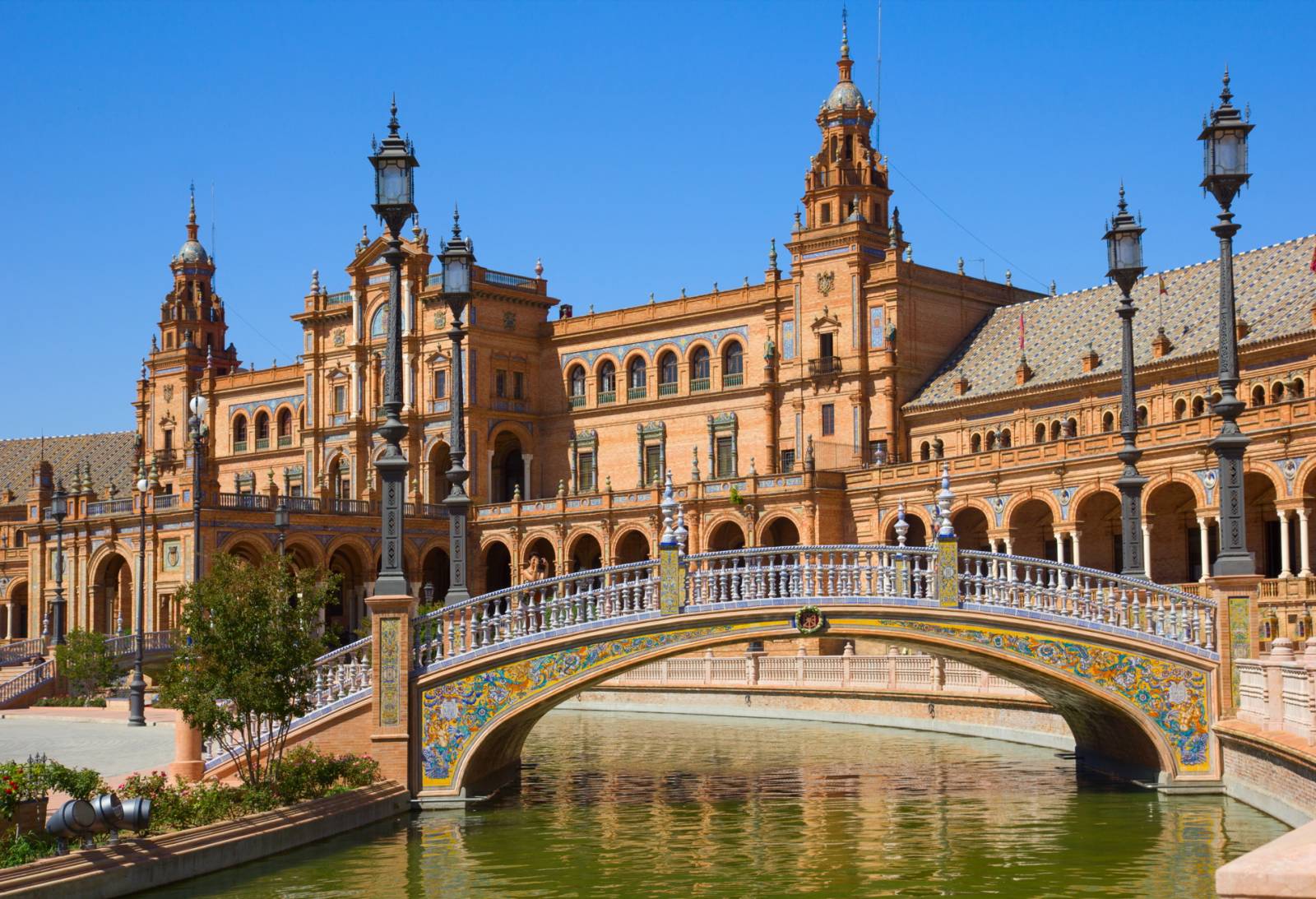
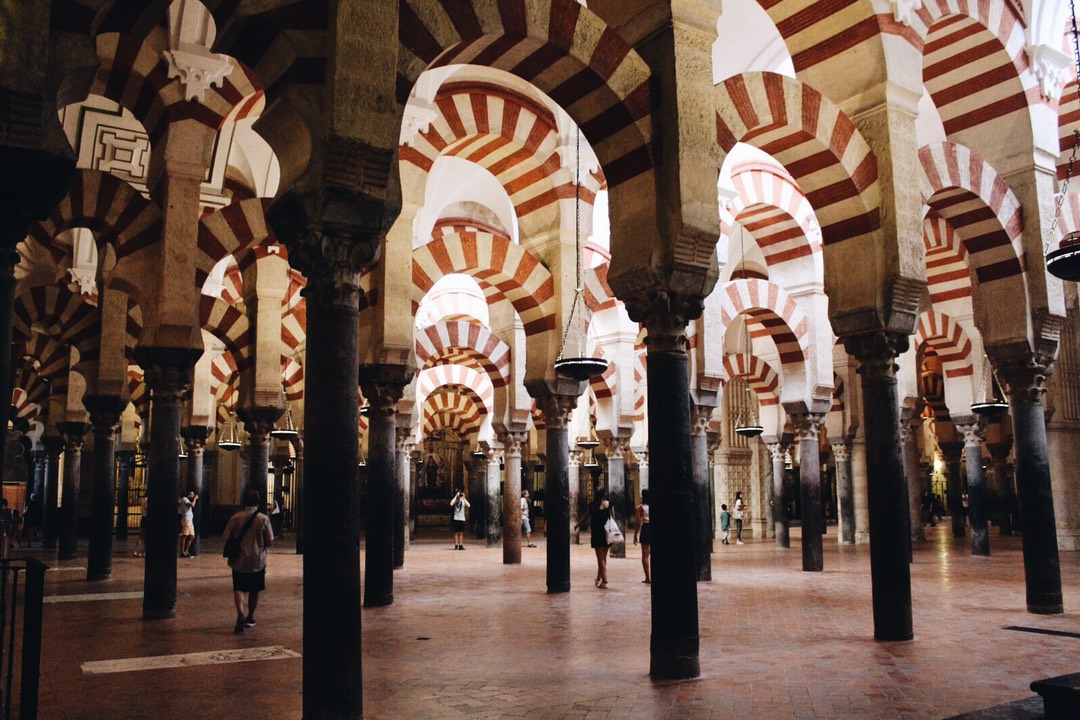
The Alhambra in Granada, the Mosque-Cathedral of Córdoba, the Royal Alcázar of Seville, traditional flamenco performances, and the region's historic festivals in the festivals and cultural celebrations hub are among Andalusia's most iconic cultural highlights.