 Andalusia

Overview
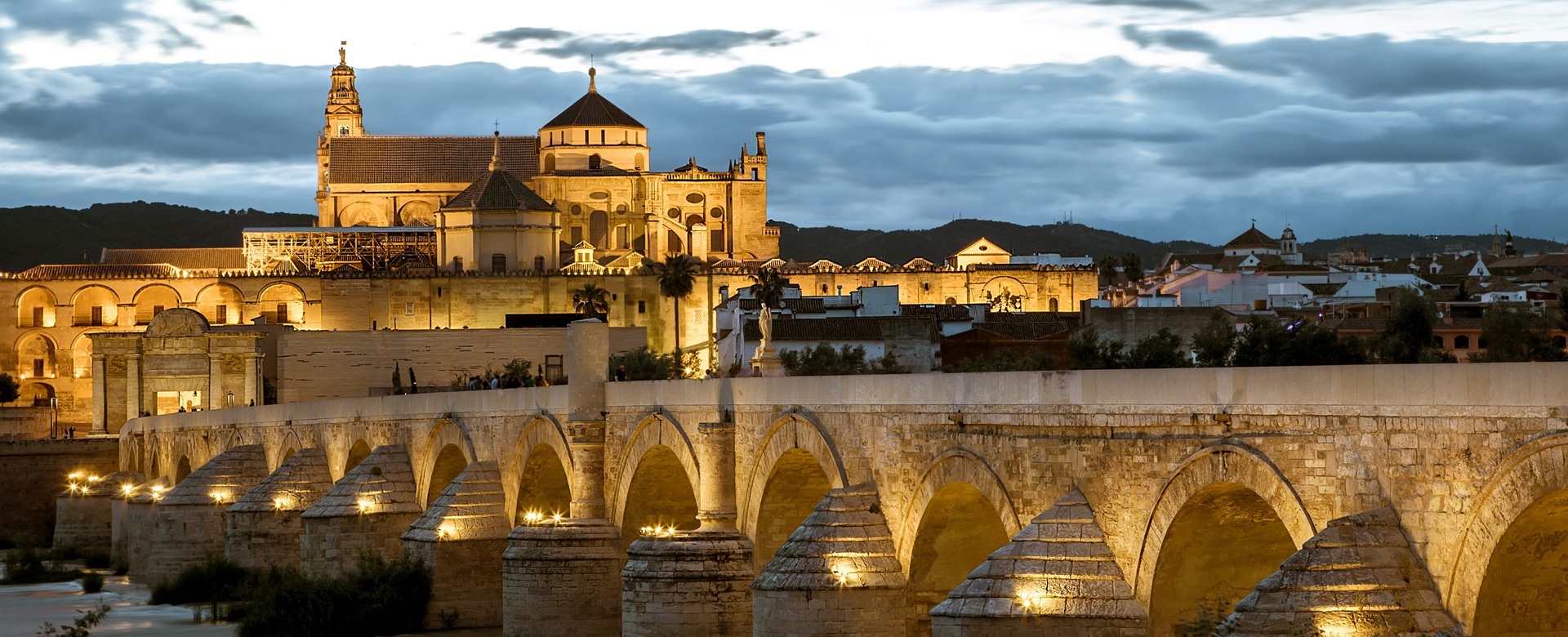
The Costa de la Luz represents one of the most fascinating coastal areas of Andalusia, stretching along the Atlantic Ocean from the provinces of Cadiz to Huelva. This region owes its name to the intense brightness and vibrant colors that characterize its golden beaches and crystal-clear waters. Historically, the Costa de la Luz has been a crossroads of peoples and cultures: Phoenicians, Romans, Arabs, and Christians have left tangible traces in the fishing villages and historical monuments, such as the city of Cadiz, one of the oldest settlements in Europe. Its beaches, often wild and protected by dunes, attract not only sea lovers but also water sports enthusiasts such as kitesurfers, particularly in the famous Tarifa. In addition to natural beauty, the Costa de la Luz offers a rich gastronomic tradition based on fresh fish, seafood, and typical Andalusian products. The relaxed atmosphere of the fishing villages combines with a vibrant cultural life, full of festivals and traditional celebrations that enliven the coast throughout the year.
Regional Detail
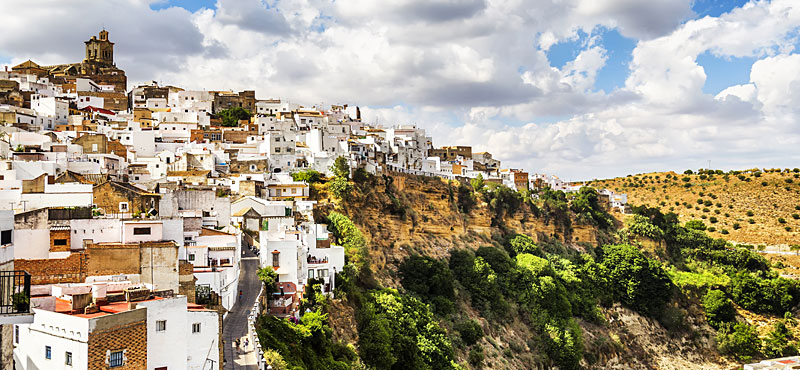
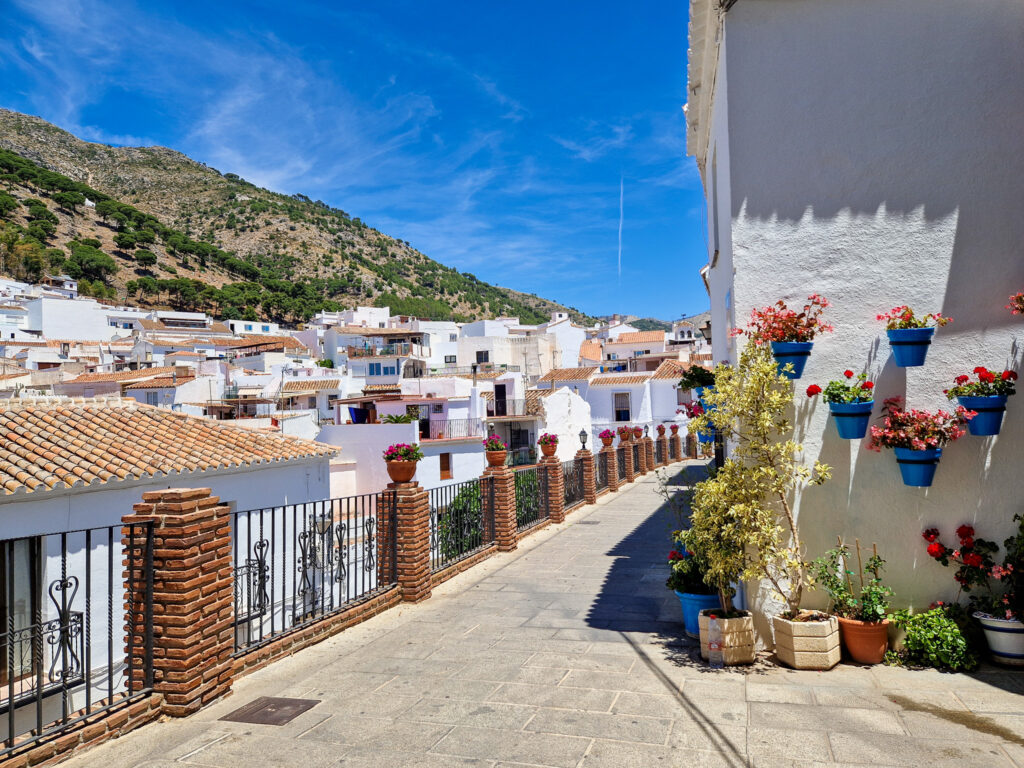
The Costa de la Luz spans two main provinces: Cadiz and Huelva, each with unique characteristics but united by a common maritime identity. In the Cadiz stretch, you find iconic locations like Sanlúcar de Barrameda, famous for Manzanilla and horse races on the beach, and Conil de la Frontera, renowned for its pristine beaches and the charm of its white alleys. Moving south, you reach Tarifa, a meeting point between the Atlantic and the Mediterranean and a paradise for wind sports. Shifting towards the province of Huelva, the landscape becomes even wilder: here, the Doñana National Park, a UNESCO heritage site, is a true sanctuary of biodiversity and offers spectacular scenery among lagoons, pine forests, and endless beaches. The cities of Huelva and Punta Umbría are the main urban centers, while small villages like El Rompido maintain the charm of maritime tradition. For those wishing to explore other coastal areas, the nearby Costa del Sol offers a different face of the Andalusian coast, more urbanized but equally fascinating.
Practical Tips
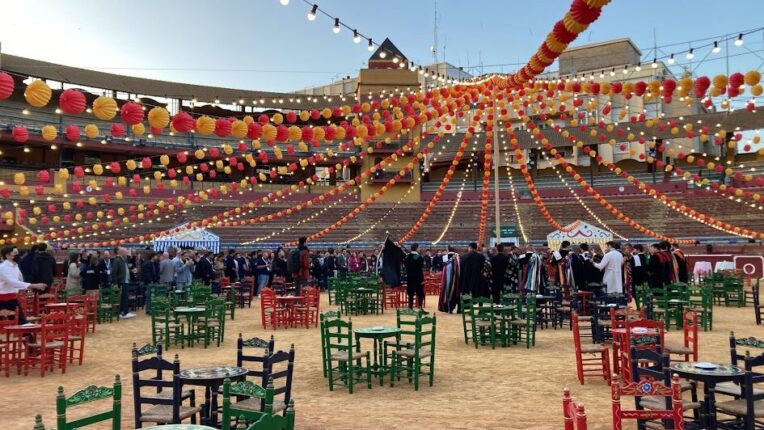
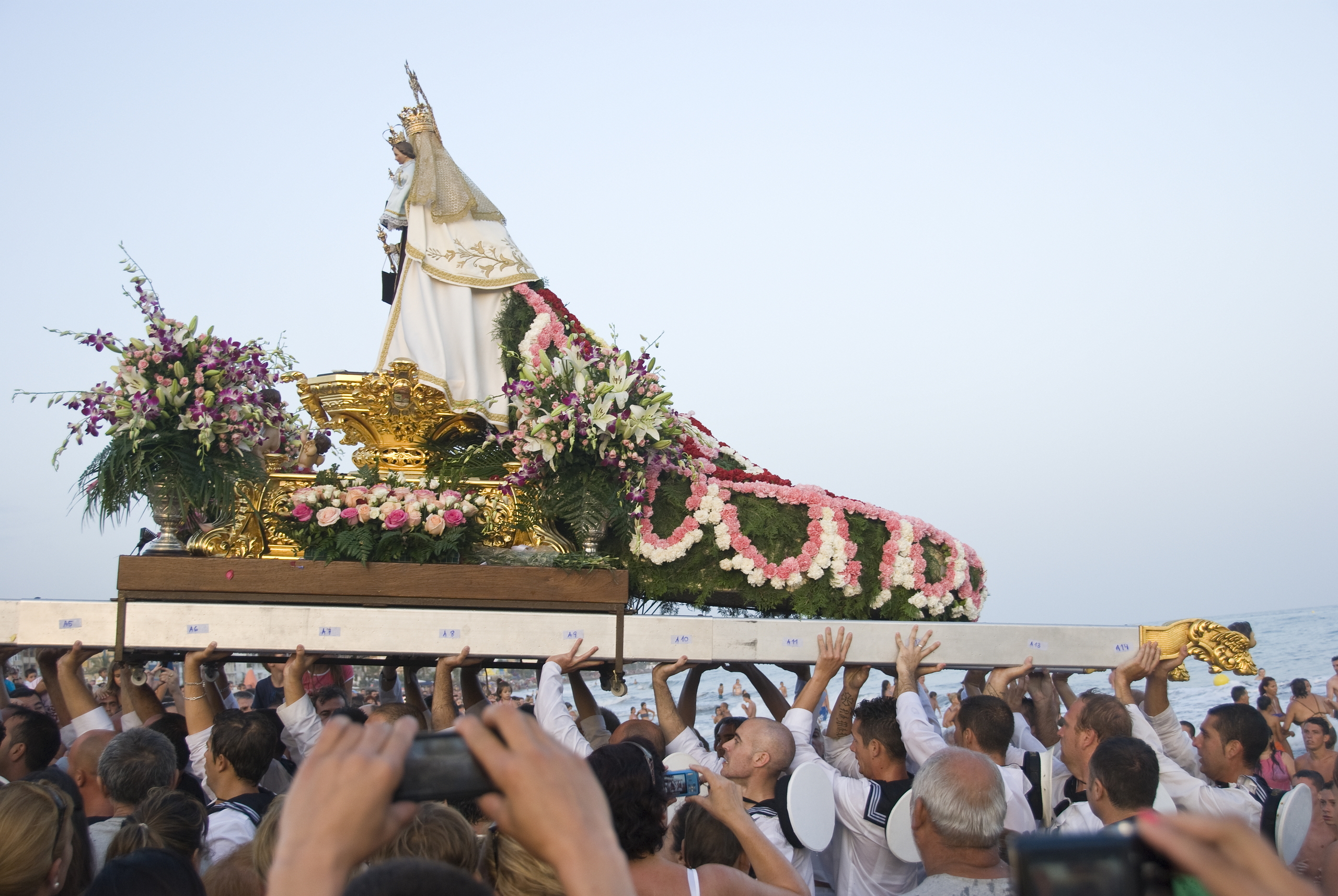
To best experience the Costa de la Luz, it is advisable to rent a car, which allows you to easily move between the different locations and discover hidden beaches and natural reserves. The area's climate, characterized by hot summers but refreshed by the ocean breeze, allows enjoyment of the sea from May to October; however, spring and autumn are also ideal for avoiding the high season and immersing in the tranquility of the villages. Nature lovers should not miss a visit to the Doñana Park and the protected areas of the Bolonia dunes. For those wishing to learn about local culture, festivals and traditional fairs are an unmissable opportunity to savor the true Andalusia: the Andalusia events calendar offers events all year round, while the Andalusia climate guide helps choose the best time for each activity. To navigate between provinces and cities, the Andalusia map is a valuable tool, while for a comprehensive overview of the region, you can consult the complete guide to Andalusia. Finally, to organize travel, the Andalusia transport guide offers useful suggestions on how to move between the coast and inland.