 Andalusia








Andalusia's Climate Throughout the Year
Andalusia is one of Europe's sunniest destinations, renowned for its warm Mediterranean climate, long hours of sunshine, and pleasant weather across most of the year. Located in southern Spain, the region benefits from the influence of both the Mediterranean Sea and the Atlantic Ocean, while mountain ranges such as the Sierra Nevada create diverse local weather patterns — see the regional overview for regional context.
The combination of coastal areas, inland plains, and high mountain landscapes makes Andalusia one of the most climatically varied regions in Spain. Summers are generally hot and dry, winters are mild, and rainfall is relatively limited, occurring mainly during autumn and winter. Thanks to these favorable conditions, Andalusia remains an attractive destination in every season, whether visitors are looking for beach holidays, cultural city breaks, outdoor adventures, or mountain experiences.
From the beaches of the Costa del Sol and Costa de la Luz to the snowy peaks of the Sierra Nevada, the region offers different climates and travel experiences depending on location and time of year. Use the Andalusia map to compare distances between coast, plain, and mountain.
Seasons and Average Temperatures
Spring in Andalusia
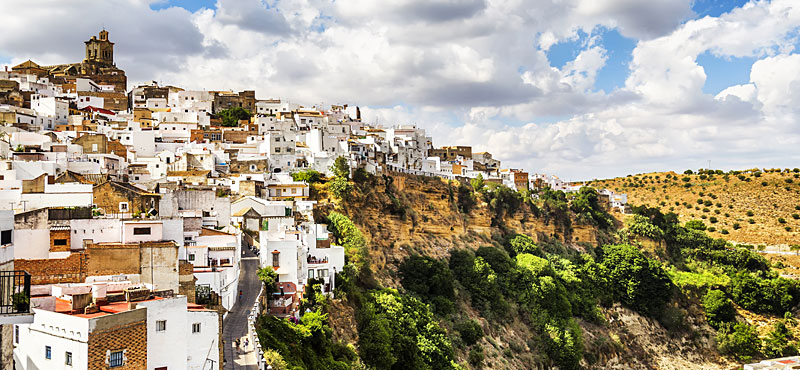
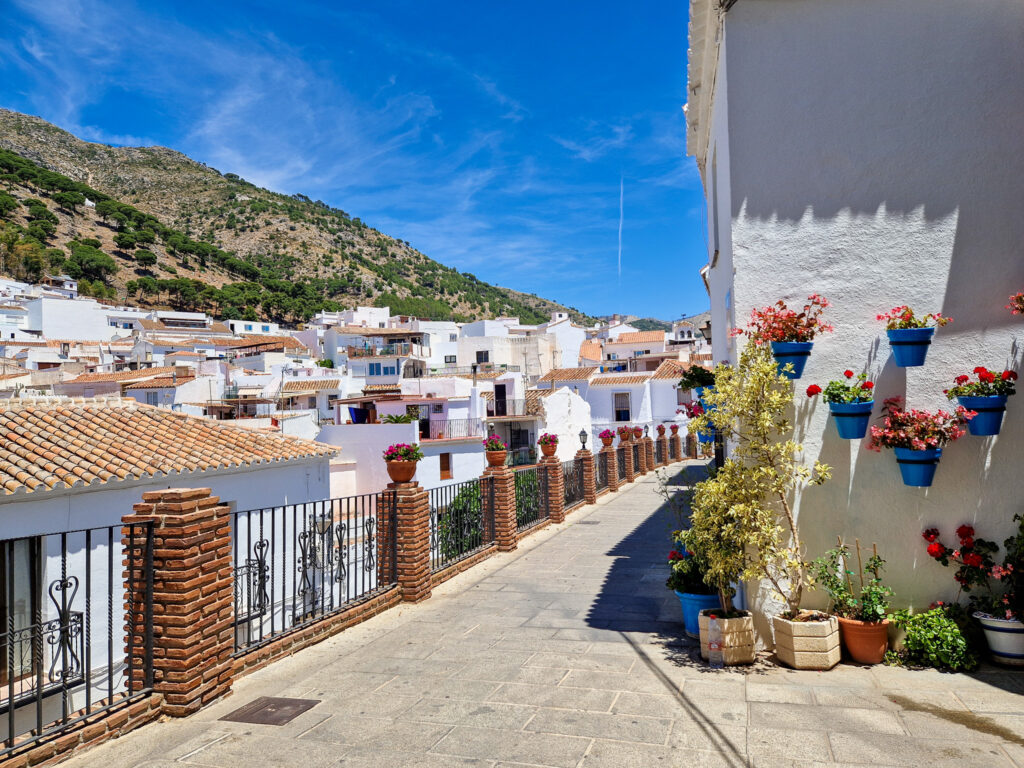
Spring is widely considered one of the best times to visit Andalusia. Temperatures are comfortable, flowers bloom across the countryside, and cities come alive with festivals and outdoor events. Average daytime temperatures typically range between 18°C and 28°C, making this season ideal for sightseeing, hiking, and exploring the famous white villages known as the Pueblos Blancos. Pair the when to visit Andalusia hub with the festivals and cultural celebrations cluster for event timing.
Summer in Andalusia
Summer brings hot and dry conditions throughout the region. Inland cities such as Seville, Córdoba, and Jaén frequently experience temperatures above 40°C — check each Seville — Weather, Cordoba — Weather, and Jaen — Weather section before booking. Coastal destinations benefit from refreshing sea breezes; the Costa del Sol, Costa Tropical, and the beaches of Almería become popular for sunshine and warm Mediterranean waters via Malaga — Beaches and Almeria — Beaches.
Autumn in Andalusia
Autumn offers pleasant temperatures, fewer crowds, and beautiful landscapes. Rainfall becomes more frequent, although sunny days remain common. This season is particularly suitable for cultural itineraries, city breaks, and nature excursions — explore the Andalusia road trips and itineraries hub, the city index index, and provincial Granada — Nature or Huelva — Nature sections.
Winter in Andalusia
Winters are generally mild compared to most European destinations. Coastal areas on the Costa de la Luz and Costa del Sol rarely experience freezing temperatures, while inland locations can become considerably cooler — see Seville — Weather and Cordoba — Weather. In the Sierra Nevada, winter brings reliable snowfall and excellent conditions for skiing, snowboarding, and mountain activities near Granada.
Coastal Areas, Inland Regions and Mountain Climates
One of Andalusia's most distinctive features is the diversity of its weather conditions across the eight provinces.
Coastal Andalusia
The Costa del Sol and Costa de la Luz enjoy mild winters, warm summers, and more than 300 days of sunshine per year in many locations. Sea breezes help moderate temperatures, creating ideal conditions for beach holidays and outdoor activities throughout much of the year — drill into Malaga — Beaches, Cadiz — Beaches, and Huelva — Beaches for local detail.
Inland Andalusia
The interior provinces, including Córdoba, Jaén, and parts of Seville and Granada, experience a more continental climate. Summers can be extremely hot, while winters are cooler with greater temperature variations between day and night. Provincial weather pages such as Jaen — Weather and Granada — Weather help you plan inland visits.
Sierra Nevada and Mountain Areas
The Sierra Nevada mountains create a unique alpine environment within southern Spain. Snowfall is common during winter months, supporting Europe's southernmost ski resort. During summer, the mountains offer cooler temperatures, scenic hiking trails, and spectacular natural landscapes — combine the pillar guide with Granada — Nature and Granada hub planning.
Best Time to Visit Andalusia
The ideal season depends largely on your travel interests. The dedicated when to visit Andalusia page compares months, crowds, and themes in more detail.
Spring is perfect for sightseeing, cultural festivals, city breaks, and outdoor activities across Seville, Granada, and the Pueblos Blancos. Summer is best for beach holidays, coastal resorts, and seaside destinations on the Costa del Sol and Almeria — Beaches. Autumn offers comfortable weather, fewer tourists, and excellent conditions for exploring historical sites and natural parks such as Huelva — Nature and Almeria — Nature. Winter is ideal for combining cultural visits with skiing and mountain adventures in the Sierra Nevada.
Because of its exceptional climate diversity, Andalusia can be enjoyed year-round. Whether you want to relax on the Mediterranean coast, discover historic cities, explore protected natural parks, or experience winter sports in the mountains, there is always a perfect destination and season waiting to be discovered.
Plan Your Trip According to the Weather
Understanding Andalusia's climate can help you choose the best destinations and activities for your trip. Coastal areas are ideal for year-round sunshine, inland cities offer rich cultural experiences, and mountain regions provide unique outdoor opportunities in every season.
Before planning your journey, explore our guides about the when to visit Andalusia, Andalusia road trips and itineraries, best beaches and coastal destinations beaches, natural parks, and provincial weather sections — from Malaga — Weather and Cadiz — Weather to Almeria — Weather and Huelva — Weather — to find the perfect experience for your preferred season. The complete Andalusia guide and FAQ hubs add practical planning context.