 Andalusia
Discover Seville Province
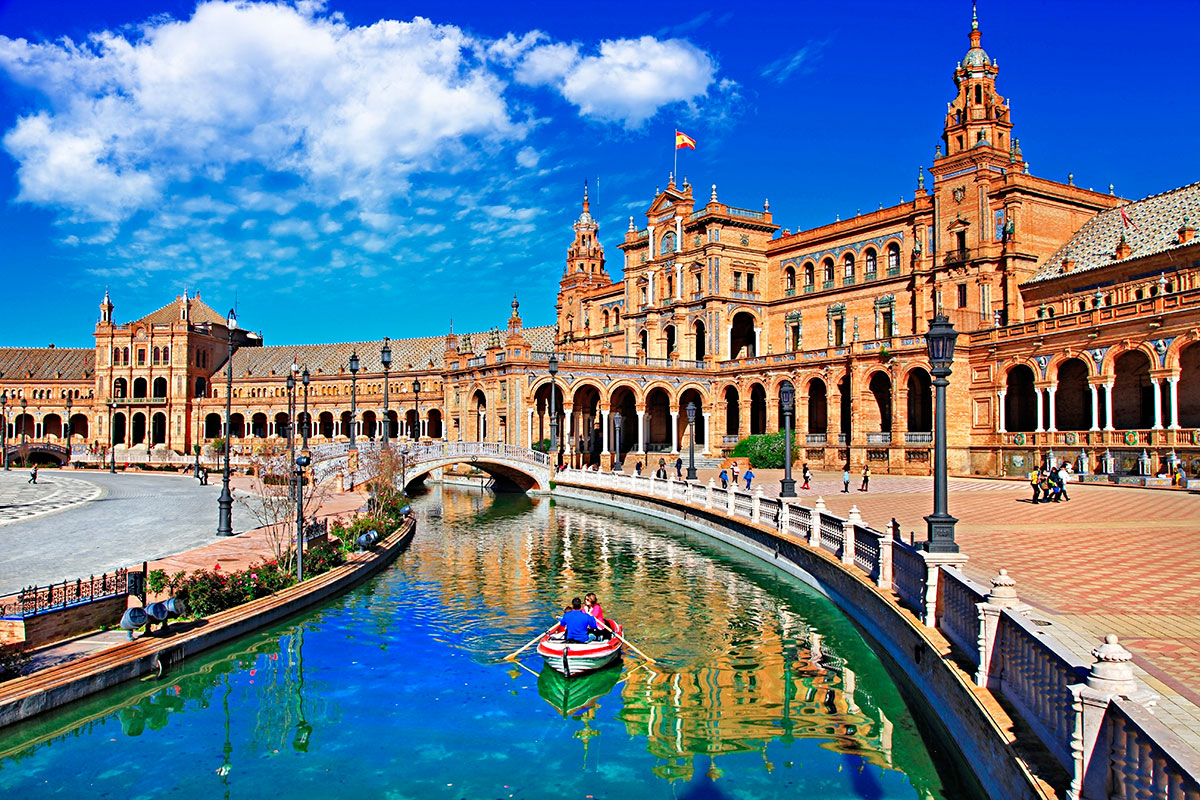
Seville is the cultural and historical heart of Andalusia and one of the most iconic provinces in southern Spain. Known for its monumental architecture, flamenco traditions, orange-tree-lined streets, and vibrant festivals, Seville offers an unforgettable mix of history, culture, and Andalusian lifestyle — see the complete Andalusia guide for regional context.
From Roman ruins to Islamic palaces and grand Christian cathedrals, Seville is a living museum that reflects centuries of civilization along the Guadalquivir River. It is an essential destination for travelers seeking culture, heritage, gastronomy, and authentic Andalusian experiences.
Where is Seville?
Seville is located in western Andalusia. It borders Huelva to the west, Cádiz to the southwest, Málaga to the southeast, and Córdoba to the east. The province is characterized by the fertile Guadalquivir Valley, wide agricultural plains (campiña sevillana), the Sierra Norte mountain range, river landscapes and wetlands, and historic rural towns and white villages — orient yourself with the Andalusia map and climate guide guides.
Thanks to its central position, Seville is a key gateway to western Andalusia. Explore landscape detail in Seville — Nature and rural routes in Seville — Itineraries.
A Brief History of Seville
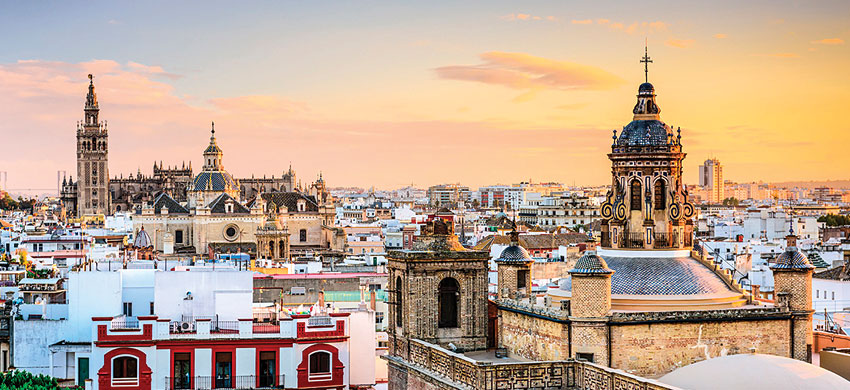
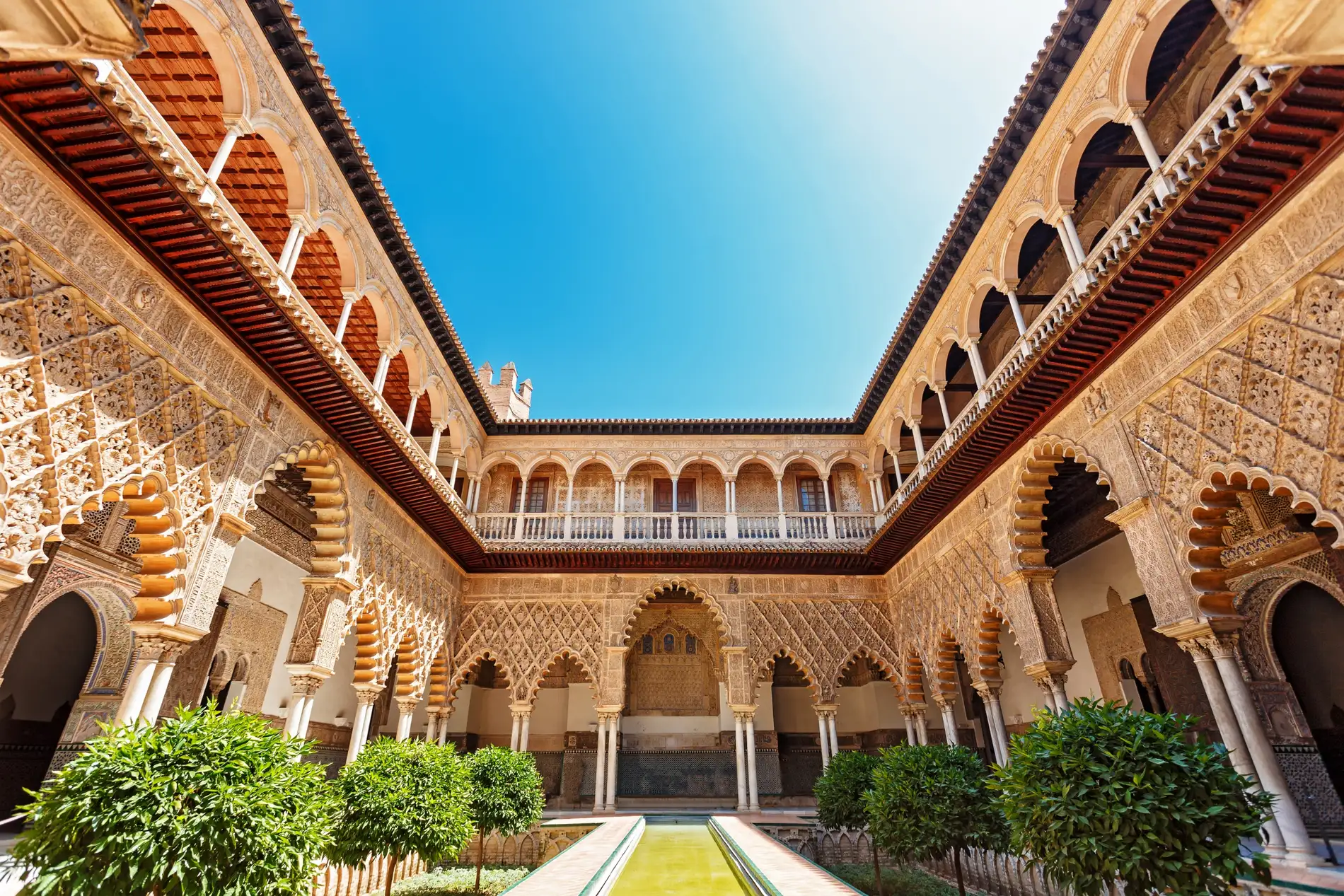
Seville has one of the richest histories in Spain, shaped by multiple civilizations. The earliest settlements date back to the Tartessian culture, followed by the Romans, who founded nearby Italica, one of the most important archaeological sites in Hispania. During the Islamic period, Seville became one of the most important cities of Al-Andalus, flourishing in architecture, science, and trade. Monuments such as the Giralda and the Alcázar originate from this era.
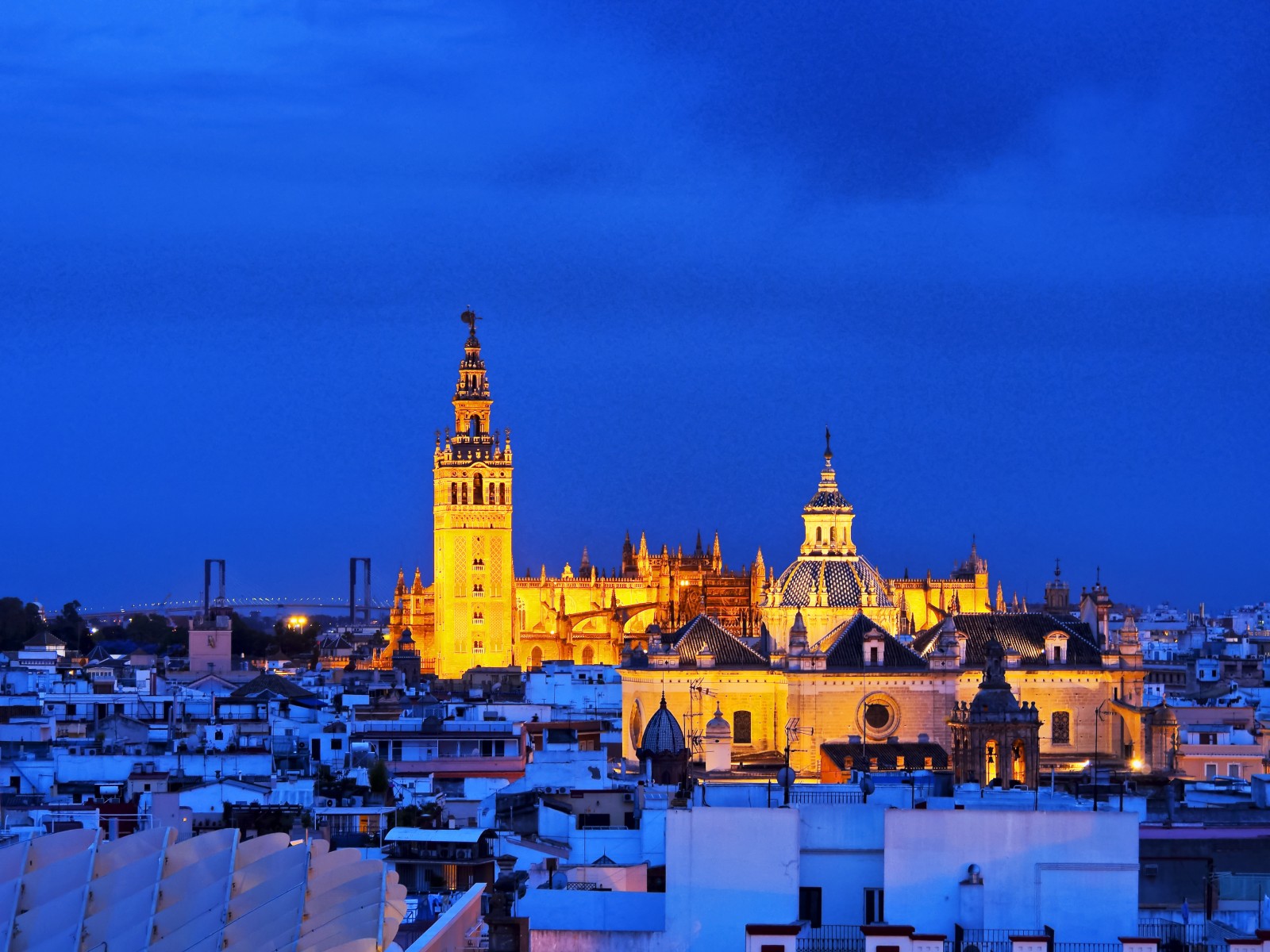
In 1248, the city was conquered by the Castilian Crown, marking the beginning of a new Christian period and the construction of the Seville Cathedral, one of the largest Gothic cathedrals in the world. During the Age of Exploration, Seville became the main port for trade with the Americas, bringing immense wealth and cultural influence. Today, its layered history is visible throughout its streets, monuments, and traditions — browse the Seville — What to see section for landmark-by-landmark planning.
Top Places to Visit in Seville Province
Seville offers a rich variety of historic cities, towns, and cultural destinations. Use the Seville — Main cities index and Seville — What to see guide to build a route that matches your interests.
Seville City
The capital is famous for its Cathedral, Giralda Tower, Alcázar Palace, and vibrant historic center. See the Seville — Main cities and Seville — What to see pages for city detail, and Seville — Events for Feria de Abril and Semana Santa dates.
Carmona
A beautiful town with Roman, Islamic, and Renaissance heritage, known for its fortress and archaeological remains. Add it to Roman heritage routes linked from Seville — Itineraries and Seville — What to see.
Écija
Known as the “City of Towers” for its impressive Baroque skyline and historic churches. Explore inland baroque towns via Seville — Main cities and Seville — Itineraries.
Utrera
A traditional flamenco stronghold with authentic Andalusian culture. Pair it with Seville — Events and the festivals and cultural celebrations cluster for live music and festival planning.
Alcalá de Guadaíra
Located along the river, famous for its castle and historic flour mills. Plan Guadalquivir valley stops through Seville — Nature and Seville — Itineraries.
Osuna
A noble town with Renaissance architecture, historic university buildings, and elegant squares. Combine with rural loops toward Córdoba or the Pueblos Blancos region.
Nature and Outdoor Activities in Seville
Beyond its urban heritage, Seville province offers diverse natural landscapes. Key highlights include Sierra Norte de Sevilla Natural Park, Guadalquivir River wetlands, rice fields and agricultural plains, birdwatching areas and protected ecosystems, and hiking routes through rural Andalusia. The province is ideal for cycling, hiking, and slow rural tourism — plan outdoor days in Seville — Nature, the things to do in Andalusia hub, and Seville — Weather for seasonal tips.
Culture and Traditions in Seville
Seville is one of the most culturally vibrant provinces in Spain. Key traditions include Semana Santa (Holy Week processions), the Feria de Abril (Seville Fair), flamenco music and dance, local village festivals, and traditional Andalusian horse culture tracked in Seville — Events and the festivals and cultural celebrations cluster. Flamenco is deeply rooted in the province and is considered one of its strongest cultural identities.
Food and Gastronomy in Seville
Seville cuisine is rich in flavor and strongly connected to Andalusian tradition. Typical dishes include gazpacho (cold tomato soup), salmorejo (thick tomato cream), tapas variety (jamón, fried fish, stews), orange-based desserts and local sweets, and traditional olive oil-based cooking. The city's tapas culture is one of the most famous in Spain — dive deeper in Seville — Food and the regional traditional food and local gastronomy cluster.
Suggested Seville Itineraries
Seville is ideal for cultural and historical travel experiences. Popular itineraries include a Seville historic city walk, a Roman heritage route (Italica and Carmona), a flamenco cultural tour, Guadalquivir river exploration, a rural Seville villages itinerary, and a nature parks and Sierra Norte route linking Seville, Huelva, and Córdoba. Start with Seville — Itineraries and the Andalusia road trips and itineraries cluster for themed routes.
Plan Your Trip to Seville
With its monumental architecture, deep historical roots, vibrant festivals, and strong cultural identity, Seville is one of the most important destinations in Spain. It offers a perfect combination of history, culture, gastronomy, and authentic Andalusian life, making it an essential stop for any trip to southern Spain.
Use the Seville — Complete guide section, Seville — Weather forecasts, and the transport and travel tips guide to finalize timing and logistics for your journey through western Andalusia.